


How to Increase Website Traffic Fast with PPC Campaigns
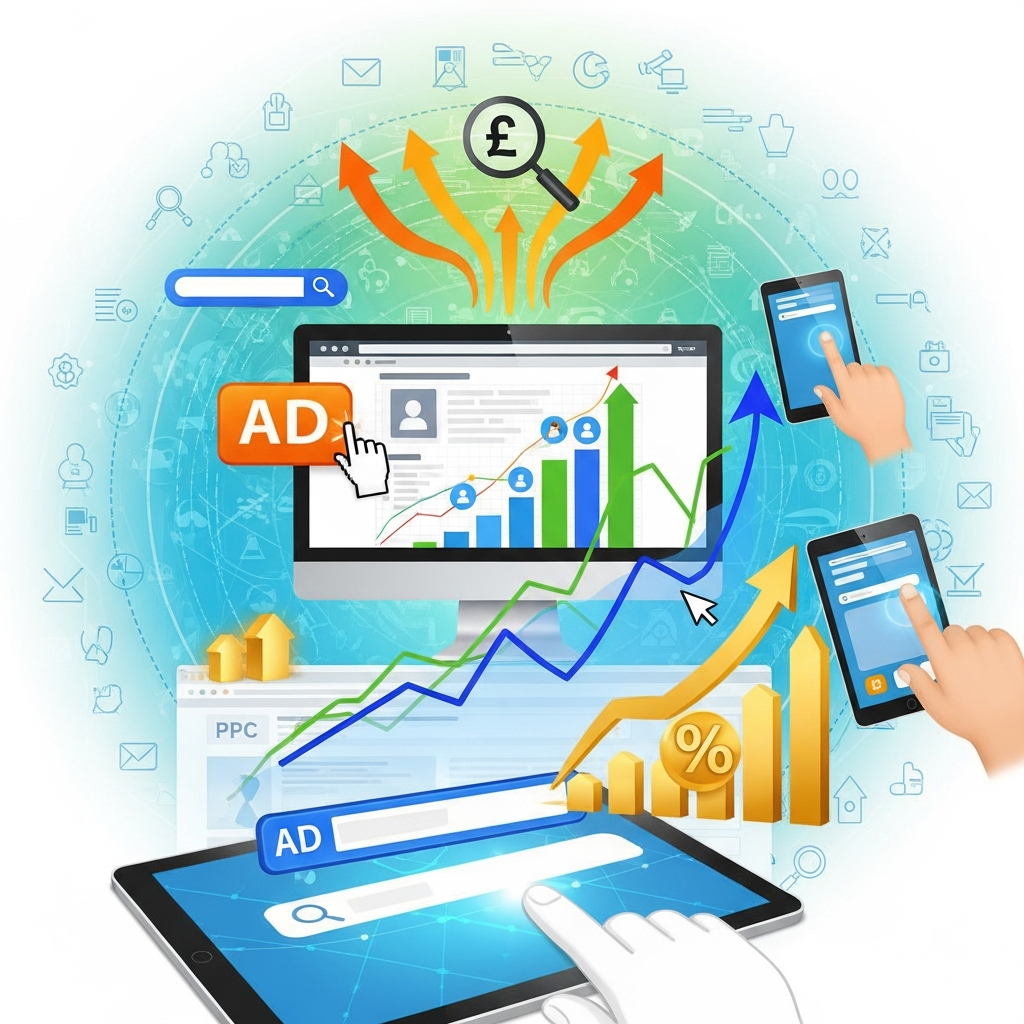
Are you struggling to get people to visit your website? Or maybe you’ve launched your site and now you’re wondering how to actually get some traffic rolling in—fast. Don’t worry, you’re not alone. Many businesses, bloggers, and eCommerce stores face the same challenge. And while there are a lot of ways to grow traffic over time, one of the quickest and most effective methods is using Pay-Per-Click (PPC) advertising.
In this blog post, we’re going to break down how PPC campaigns can help supercharge your website traffic. We’ll explain what PPC is, how it works, and give you simple tips to run successful ads. All in plain, easy-to-understand language. Ready to get more eyeballs on your site? Let’s dive in!
What is PPC and Why Should You Care?
Let’s start with the basics. PPC stands for Pay-Per-Click. It’s a kind of online advertising where you only pay when someone actually clicks on your ad.
Imagine putting up a billboard, but instead of paying rent monthly, you only pay if someone physically walks into your store because of it. Pretty neat, right?
PPC is super popular because it works fast. Unlike SEO, which can take months to rank in search engines, PPC lets you appear at the top of search results right away.
Why Use PPC to Increase Website Traffic?
Here are just a few reasons why PPC is great for driving traffic:
- Immediate visibility: Your ad can appear at the top of Google within hours of launching a campaign.
- Targeted audience: You can choose who sees your ad, based on location, age, interests, and even search history.
- Budget control: Set your daily budget and never spend a penny more than you want to.
- Trackable results: Easily measure exactly how many people clicked and what they did afterward.
Think of PPC as turning on a traffic tap. When done right, it delivers quality visitors to your site who are already looking for what you offer.
How PPC Works: A Simple Breakdown
If you’ve ever seen a search engine results page, you’ve seen PPC ads. They’re usually the top few results with a little “Ad” label next to them.
Here’s what happens behind the scenes:
- You choose a keyword you want to show up for—something your audience is searching for, like “best running shoes” or “local plumber near me.”
- You create an ad that’s relevant and appealing for that keyword.
- You place a bid. This is how much you’re willing to pay when someone clicks your ad.
- Search engines like Google run an auction to decide which ads to show.
- When someone searches your keyword, your ad could appear at the top of the page.
And just like that, if they click, they’re sent straight to your website.
But Doesn’t It Cost a Lot?
This is a common concern. The truth is, PPC can be affordable… if done right. You’re in control of your budget. You can start with just £5–£10 a day and adjust based on performance.
Here’s the key: it’s not about how much you spend—it’s how smart you spend it.
Choosing the Right PPC Platform
There are several platforms you can use for PPC, but the most popular are:
- Google Ads: These show up in Google search results and across Google’s Display Network (sites like YouTube, Gmail, etc.).
- Facebook Ads: Great for visual ads and targeting specific interests and demographics.
- Instagram Ads: Ideal for product-based businesses, especially those with a younger audience.
- Bing Ads: A smaller audience than Google, but typically less competition and lower costs.
If you’re just getting started, we recommend Google Ads. It’s perfect for businesses trying to attract people searching for a specific product or service.
6 Smart Ways to Boost Website Traffic with PPC
Let’s get into the good stuff. These are the proven ways to run PPC ads that actually bring in traffic—not drain your wallet.
1. Target the Right Keywords
PPC starts with choosing the right keywords. If you get this wrong, you could spend money on clicks that don’t convert.
Here’s how to find good keywords:
- Use tools like Google’s Keyword Planner to see what people are searching for.
- Look for long-tail keywords—these are longer, more specific phrases like “buy eco-friendly yoga mat UK.” They’re less competitive and attract people ready to buy.
- Think like your customer. What would you type into Google if you were looking for your product?
And remember, don’t just pick keywords with the highest traffic. You want RELEVANT traffic—people who are likely to buy, sign up, or take action.
2. Write Click-Worthy Ad Copy
This is your chance to convince someone your site is worth a visit.
Great PPC ad copy is:
- Clear – Say exactly what you offer.
- Compelling – Use offers, limited-time deals, or strong benefits (“Free shipping” or “Next Day Delivery”).
- Relevant – Match the language people used in their search.
Want an example?
Bad: “We Sell Shoes Online”
Better: “Shop Trendy Men’s Trainers – Free Next Day UK Delivery”
Which one would you click?
3. Send Visitors to the Right Page
Too many people make this mistake: they send traffic to their homepage instead of a targeted landing page.
Think of it this way: If someone searches for “vegan protein bars,” and lands on your general homepage, they might get overwhelmed and leave. But if they land on a page featuring ONLY vegan protein bars? Bingo!
Make sure your landing pages are:
- Fast-loading
- Mobile-friendly
- Related 100% to the ad they clicked on
- Easy to navigate with a strong call-to-action like “Buy Now” or “Get Free Quote”
4. Use Geo-Targeting
If you’re a local business, this tip’s for you.
There’s no sense showing your ads in places where you can’t serve customers. With geo-targeting, you can show ads only to people in your city, region, or country.
This not only increases relevance, but it also keeps your ad spend low.
For example, a plumber in Manchester doesn’t need views from London!
5. Test, Tweak, Repeat
One big advantage of PPC is that you get instant data. You can track what works and what doesn’t—and improve as you go.
Things to test:
- Different headlines
- Keywords with high CTR (click-through rate)
- Ad schedules: when are people most likely to click?
- Landing page layouts
Don’t be afraid to experiment. Even small changes—like changing a button colour or swapping a word—can make a big difference.
6. Use Negative Keywords
This is one of the most overlooked tips, but it’s super important.
Negative keywords tell Google NOT to show your ad for certain searches.
Let’s say you sell luxury watches. You don’t want to pay for clicks tied to “cheap watches” or “free watches.” Add those keywords to your Negative list.
Doing this saves your budget for people who are more likely to convert.
Case Example: How PPC Helped a Local Business Double Their Website Visits
Let me share a quick story for context.
A small UK-based carpet cleaning company came to us struggling to get enquiries. Their website looked great, but barely anyone was visiting it.
We set up a simple Google Ads campaign targeting people looking for „carpet cleaning near me“ and „sofa cleaners in Manchester“.
We used:
- Geo-targeting to only show ads within a 15-mile radius
- Ad copy that highlighted their 5-star reviews and same-day service
- Landing pages for each specific service
The results? Their website traffic doubled in just two weeks, and they started getting daily leads from the ads.
PPC re-ignited their business.
Common PPC Mistakes (And How to Avoid Them)
To be honest, PPC can go wrong if you’re not careful. Let’s look at a few common hiccups and how to steer clear.
- Not setting a budget: You could overspend without realising. Always set a daily limit.
- Ignoring mobile: Most people click on ads via phone. If your site isn’t mobile-friendly, expect lots of drop-offs.
- No call-to-action: Don’t assume people will know what to do. Tell them—“Call Now,” “Shop Today,” “Book a Free Demo.”
Give Your Website the Traffic It Deserves
If you’re serious about growing your online presence, PPC is one of the fastest ways to do it. Whether you’re a local service provider, eCommerce brand, or blogger—PPC can bring in the visitors your website needs.
But here’s the thing: launching a winning PPC campaign takes more than just clicking a few buttons.
You need the right strategy. The right keywords. The right landing pages. The right budget.
And that’s where we come in.
🚀 Want to Increase Your Website Traffic with PPC?
At Likes and Rankings, we help businesses like yours create powerful PPC campaigns that bring real, trackable results.
Book Your Free PPC Strategy Call Today
Let’s work together to grow your traffic, your leads, and your sales—faster than you thought possible.
Final Thoughts
PPC campaigns aren’t just about spending money to get clicks. They’re about investing in visibility, attracting the right people, and turning visitors into customers.
With the right tactics, even a modest budget can go a long way. Use PPC to test markets, grow brand awareness, and get the fast online momentum you’ve been waiting for.
No more slow days. No more “if only I had more traffic.”
It’s time to take control of your website’s growth—one click at a time.
—
If this post helped, don’t forget to share it with a friend who runs a website. Got questions or need help setting up your PPC campaigns? Contact us today!

Related Posts