


How to Combine Paid and Organic Advertising for Better Results
In today’s noisy digital world, getting your brand noticed can feel like shouting into the void. You create great content, set up your ads, and cross your fingers—but still, no magic. Sound familiar?
The truth is, relying on just one approach isn’t enough anymore. That’s why smart marketers are discovering the power of blending paid and organic advertising. When you combine the two, it’s a little like having a fuel-efficient car running with both gasoline and electric power—you go faster, longer, and more efficiently.
In this post, we’ll break down how you can integrate paid and organic strategies to get the best of both worlds. Whether you’re a small business owner, a digital marketer, or someone just starting out, this guide is packed with practical tips to drive real results.
Let’s dive in.
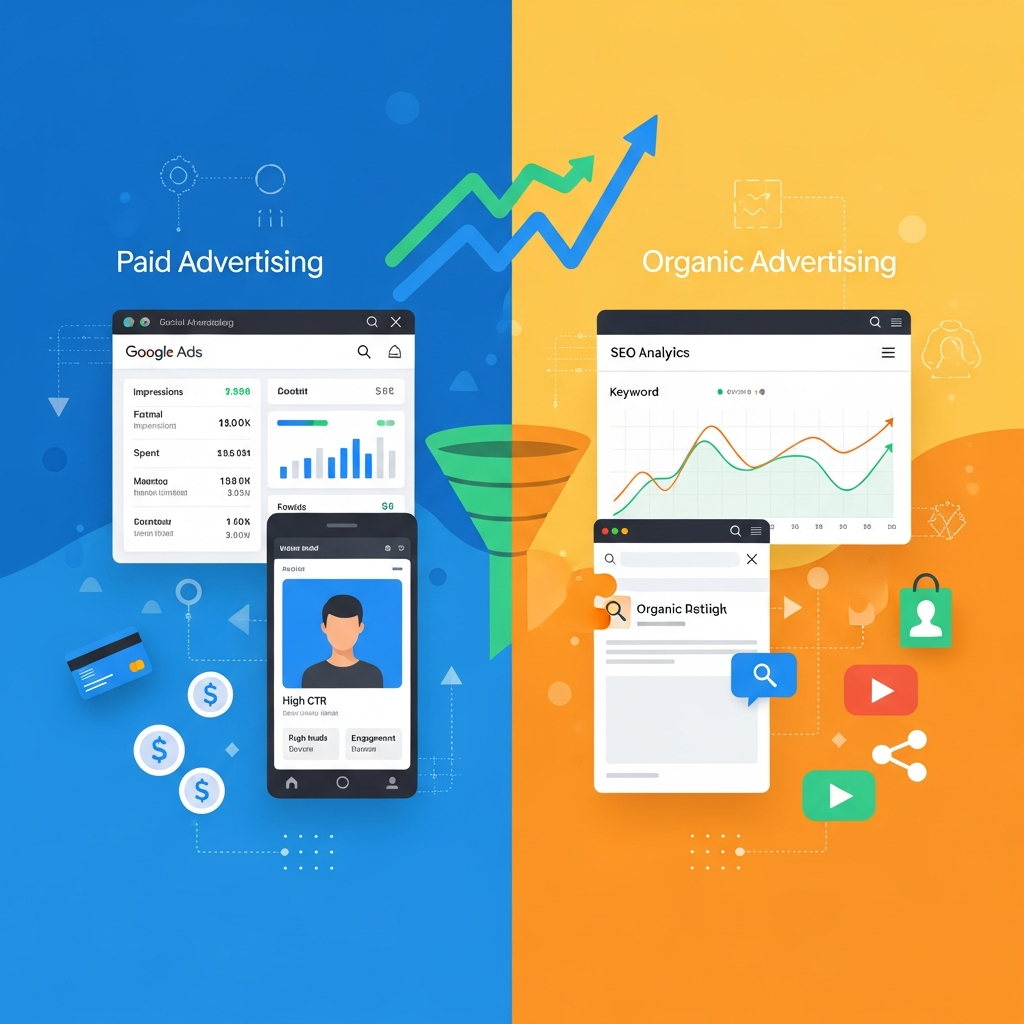
What’s the Difference Between Paid and Organic Advertising?
Before we explore the benefits of combining them, let’s quickly go over what each one means.
Organic Advertising
Organic advertising is all about unpaid promotion. Think of things like:
- Blog posts
- Search engine optimization (SEO)
- Social media posts
- Email newsletters
These tactics help you build brand awareness over time. You attract visitors naturally by creating valuable content that ranks on Google or gets shared on social media. The big perk? It’s cost-effective (sometimes even free!).
But here’s the catch—you need patience. Organic traffic takes time to build, and results may not come overnight.
Paid Advertising
Paid advertising, on the other hand, gives you instant visibility. This includes:
- Google Ads
- Facebook Ads
- Sponsored Instagram posts
- LinkedIn Promoted Content
You’re essentially paying to put your message in front of the right audience. This is great if you’re launching a product, building brand awareness quickly, or trying to generate traffic fast.
The downside? It can get expensive if you’re not sure what you’re doing.
Why You Shouldn’t Choose One Over the Other
Imagine baking a cake with only flour and no eggs. It may come out looking okay, but one bite and you’ll know something’s missing. That’s exactly what happens when you rely only on one form of marketing.
Combining paid and organic advertising gives your business:
- Faster Visibility + Long-Term Growth
- Data-Driven Insights to improve content and targeting
- Better ROI because your messaging and audience are aligned
Let’s explore how to actually combine the two strategies effectively—and what mistakes to avoid.
Step 1: Use Paid Ads to Test Your Organic Content
Before investing months writing SEO blogs or crafting videos, test your content ideas with small-budget paid ads.
Here’s how:
- Pick a blog post or social media message.
- Run a Facebook or Instagram ad with different versions of the headline or image.
- Check which version gets the most clicks, likes, or shares.
This can tell you what your audience resonates with. Then, you can optimize your organic content strategy based on real data.
Bonus Tip: You can also use Google Ads to test which keywords bring the most traffic before committing to organic SEO.
Step 2: Boost High-Performing Organic Content
Have a blog post that went viral? Or maybe a Facebook post that earned a ton of engagement?
Don’t let it end there.
Use paid ads to boost your top organic content. Since you already know people love it, boosting it means:
- You reach new people with content that performs well.
- You get more traffic at a lower cost per click.
Facebook and Instagram especially reward content that already has strong engagement. It’s like throwing gasoline on a fire (in a good way).
Step 3: Align Messaging Across Paid and Organic Channels
Have you ever clicked on an ad only to land on a page that feels totally different from what you expected? That’s a big no-no.
When your messaging is aligned, it builds trust. Here’s how to keep everything in sync:
- Use the same tone of voice across ads and organic posts.
- Keep your brand visuals and language consistent.
- Ensure your landing page matches the promise in your ad or post.
Think of your brand like a person—people should recognize you whether you’re waving from across the street (paid ad) or having a chat over coffee (organic post).
Step 4: Retarget Organic Visitors With Paid Ads
Someone read your blog post last week but didn’t make a purchase. Do you just let them go?
No way!
That’s where retargeting ads come in. By using tracking pixels, you can show ads only to users who’ve already interacted with your organic content.
For example:
- User reads your blog on „Top 10 Back Exercises“
- You retarget with an ad: „Grab Our Personalized Back Pain Relief Plan“
This feels natural. You’re speaking to people who know your brand and are more likely to convert.
Step 5: Share Paid Insights to Fuel Organic Content
Paid platforms like Facebook Ads Manager and Google Ads give you detailed reports. You can use these metrics to guide what you post organically.
Look for:
- Which headlines get the most clicks
- Which keywords drive the most conversions
- What kind of imagery works best
Feed this into your content calendar to boost the performance of your organic posts without guessing.
Step 6: Use Organic Content to Educate, Paid Ads to Sell
A good rule of thumb? Let organic content build relationships and trust. Use paid advertising to prompt decisions.
Here’s what that might look like:
- Organic = Blogs, How-Tos, Tips, Free Resources
- Paid = Limited-time Offers, Promotions, Join Now!
It’s like dating—you wouldn’t ask someone to marry you on the first date. Organic content builds the relationship. Paid campaigns close the deal.
An Example of a Perfect Blend
Let’s say you run a small online skincare brand. Here’s how a blended strategy might look:
- You write a blog on “Top 5 Ingredients for Glowing Skin.” That’s your organic content.
- The blog does well, so you spend £30 and boost it on Facebook to reach more people.
- You retarget readers of the blog with a paid ad offering 20% off your best-selling serum.
- Meanwhile, insights from the ad tell you women aged 25-34 are your top audience. So next month, you write a blog titled “Skincare Tips for Your Late 20s.”
See what’s happening? The two sides—paid and organic—are working together like a well-oiled machine.
Common Mistakes to Watch Out For
Biggest Mistakes When Combining Paid and Organic:
- Inconsistency in branding – Keep the look and tone the same.
- Neglecting either side – Don’t go months without posting OR overspend on ads.
- Not tracking results – Use Google Analytics, Facebook Insights, etc.
- Targeting too broadly – The more specific your audience, the better your results.
How to Get Started (Without Getting Overwhelmed)
You don’t need a massive budget or team. Here’s a simple way to start:
- Pick one organic channel: blog, Instagram, email, etc.
- Create content consistently for one month.
- Use £50-£100 on simple paid ads to test or boost the best content.
- Review analytics and tweak next month’s strategy based on what worked.
The key is progress, not perfection.
Need Help Getting it Right?
At Likes & Rankings, our team of digital marketing pros can help you build a strategy that blends paid and organic advertising beautifully.
Whether you want more clicks, better SEO rankings, or improved conversion rates—we’ve got you.
Let’s grow your brand the smart way.
Final Thoughts
Think of combining paid and organic advertising like baking the perfect cake. Paid ads give you the instant rise—and organic keeps the flavor rich and lasting.
Done right, this combo can:
- Grow your audience quickly
- Build long-term trust and authority
- Turn curious browsers into loyal customers
It’s not about choosing one or the other. It’s about using both in smart, strategic ways.
And if it all still feels a bit too overwhelming—don’t worry. That’s why we’re here. Ready to take your brand to the next level?
Here’s to growing smarter, faster—and getting the results your business deserves.
Keywords Included:
Paid advertising, Organic advertising, SEO, social media marketing, digital marketing strategy, Facebook ads, Google Ads, content marketing, SEO strategy, retargeting ads
Let’s make your ads AND content work harder—together.

Related Posts